Today is Holocaust Memorial Day, a time to remember those murdered during the Holocaust, alongside the many others persecuted and killed by the Nazi regime and in genocides that have taken place around the worldsince.
This year marks the 81st anniversary of the liberation of Auschwitz, and is an opportunity to reflect on the importance of remembrance as we grow more distant from these events in time.
Disabled people were amongst those who were first targeted by the Nazi regime. Hundreds of thousands were subjected to forced sterilisation, and an estimated 250,000 disabled people were murdered through the T4 ‘euthanasia’ programme. Holocaust Memorial Day provides an important opportunity to remember those people and to ensure their lives are not forgotten.
This year’s Holocaust Memorial Day theme, ‘Bridging Generations’, invites us to think about how remembrance is carried forward. As fewer survivors remain, there is a growing responsibility to ensure that knowledge, stories and lessons are passed on, not only within families, but across communities and society as a whole. Remembering is not only about looking back, but about how we connect the past to the present and the future.
Disabled people’s history has all too often been marginalised or silenced. The experiences of disabled people during the Holocaust remind us where prejudice and dehumanisation can lead. Bridging generations means not only passing these histories on, but recognising the responsibility that comes with them, to challenge harmful attitudes and remove the barriers that deny disabled people dignity, equality and respect.
Today, our Chief Executive will take part in the national Holocaust Memorial Day ceremony in Cardiff, joining others in remembrance and solidarity.
The Holocaust Memorial Day Trust encourages people to light a candle in their window at 8pm on 27 January as a shared moment to remember those who were murdered for who they were, and to stand against prejudice and hatred today.
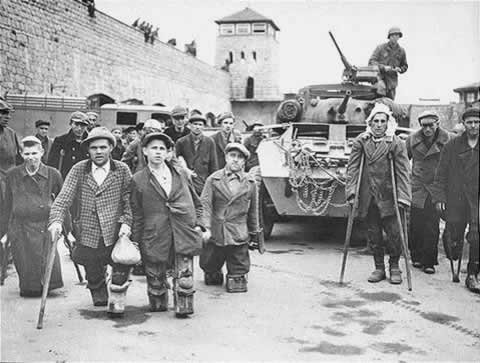
The terrible acts of persecution that were driven by discrimination are sadly not reserved to the pages of history. So let’s remember the 250,000+ disabled people who were killed, and stand together against division, prejudice and hatred today and every day.
Below, we have brought together a selection of links and resources that centre disabled people’s experiences, ensuring they are included in remembrance and in the ongoing significance of this day.
Links and resources
- The Holocaust Memorial Day Trust explains more about how and why the Nazi regime targeted disabled people
- BBC Ouch answers frequently asked questions about the Holocaust and disabled people
- This YouTube video provides more information on the Nazi’s secret ‘T4 program’ that killed thousands of disabled people
- The HMD Trust also has a selection of easy to read life stories, including Anne Frank’s story
- Anna Lehnkering was one of the disabled people who was killed under the Nazi regime, read her story.
- BBC Newsround and the Holocaust Educational Trust published an informative guide to the Holocaust for younger audiences. It details a timeline of events, explains difficult words, and much more.
- The Holocaust Explained is a website designed for schools, brimming with information about the Holocaust in a variety of content formats
If you are aware of any accessible resources about the Holocaust, please do send them our way. We’ll continue to update this page with useful links and resources.
We must never forget.
Hate crime
On Holocaust Memorial Day, it’s more important than ever to stand against prejudice and hate.
You can report hate incidents, including disability hate crimes, to Victim Support or the police.
Report Hate Wales, run by Victim Support, is here to support you. You can find out more on their website.